Does Gorpcore Still Work When the Weather Actually Turns?
Quick Answer: Most gorpcore wardrobes are built around pieces optimised for extreme cold or serious rain, which means they are actively wrong for the 8 to 16C damp weather that makes up most of autumn. The gap is the midlayer: too many shells and puffers, not enough breathable insulation. If your gorpcore feels either clammy or freezing with nothing in between, this is why.
The single most useful autumn addition is a grid fleece, which almost nobody buys because it is the least photogenic item in the category.
Why does gorpcore underperform in transitional weather?
Because the pieces it fetishises are designed for the extremes at both ends of the range.
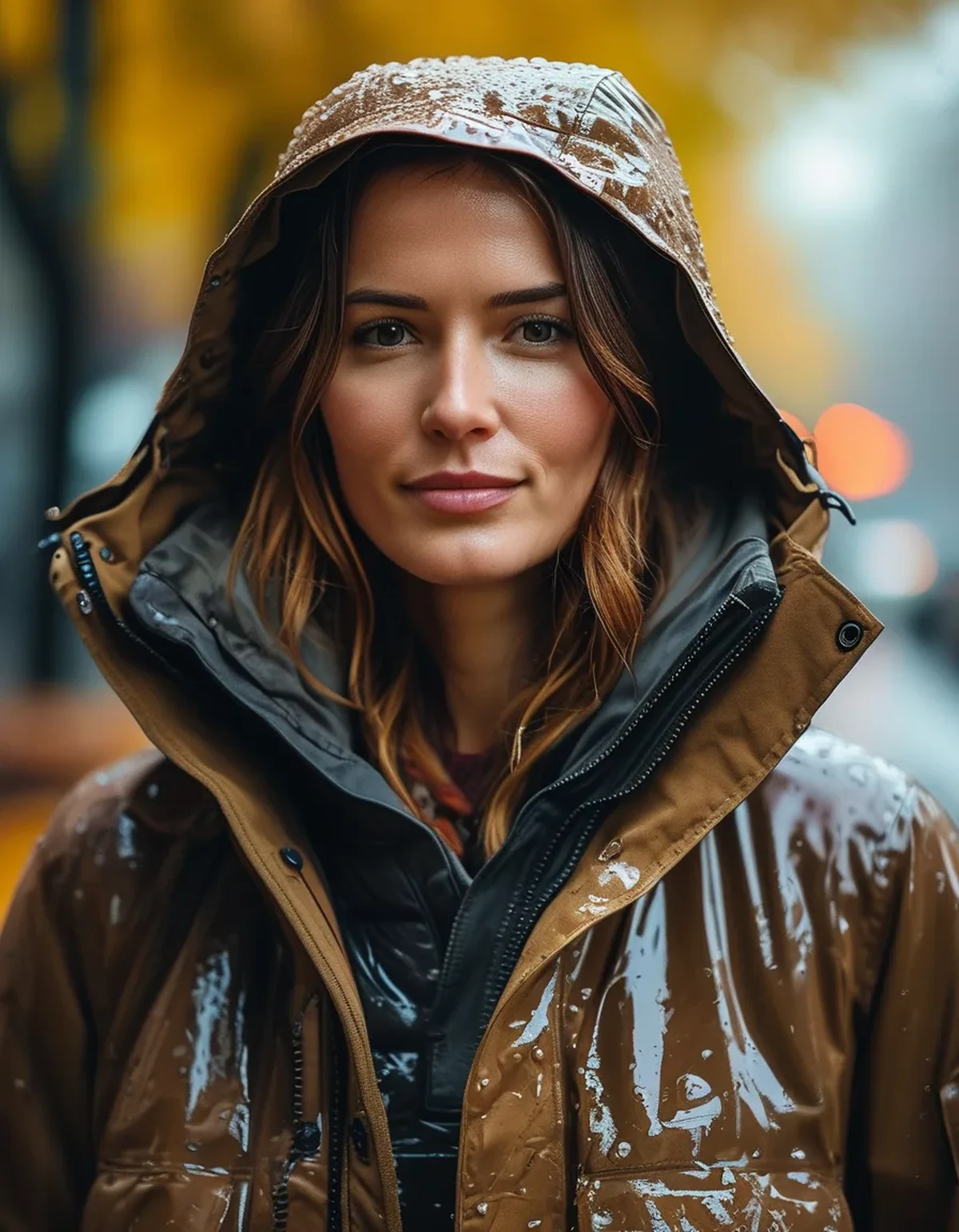
What gorpcore favours visually. Hardshells, big puffers, and technical trousers - all of which read strongly and photograph well. They are also, almost without exception, designed for conditions colder or wetter than an ordinary autumn day.
Why a hardshell is often the wrong choice at 12C.
- Waterproof membranes limit breathability by design. Even good ones move vapour far more slowly than you generate it while walking
- Which means you get wet from the inside - the classic clammy hardshell experience
- They provide almost no insulation, so you are either overheating while moving or cold the moment you stop
- They are genuinely correct for sustained rain, and overkill for damp
Why a big puffer is also wrong.
- Down and synthetic insulation is rated for stationary cold, roughly below 5C for a substantial one
- At 12C while walking you will overheat within ten minutes
- Down loses most of its insulating value when damp, which is the defining feature of autumn weather
The gap in the middle. Between the shell and the puffer there should be a breathable insulating layer, and this is where most wardrobes are empty. Grid fleece, alpha direct, or a light softshell - all unglamorous, all doing the actual work.
How the failure presents:
- Overheating within fifteen minutes of walking, then chilling at the first stop
- Damp inside a jacket that is not leaking
- Constantly taking things off and putting them on without ever being comfortable
- Concluding you need better gear when you need less extreme gear
What should you actually be wearing at 8 to 16C?
Three thin things rather than one thick thing.
The layering system that works, from the skin out:
- A base layer that moves moisture. Merino at 150 to 200gsm, or a synthetic. Never cotton - it holds sweat against the skin and stays cold
- A breathable insulating midlayer, which is the piece being skipped. Grid fleece at around 100 to 200gsm is the best general answer
- A wind-resistant, breathable outer. A softshell or a light windshell, not a hardshell, unless it is actually raining
Why grid fleece specifically. The grid construction traps air in the pockets while the channels between them move vapour out. It is warm for its weight, dries fast, and vents while you move - which is the exact combination transitional weather demands. It is also unmistakably ugly on a hanger, which is why it does not sell on aesthetics.
The wind question, which people consistently get backwards. Wind chill at these temperatures is a larger factor than air temperature. A 12C day with a 25km/h wind feels like about 7C.
- A 100g windshell blocks more perceived cold than a 400g fleece, because the fleece lets air through
- A windshell packs to the size of a fist, so there is no reason not to carry one
- This is the highest performance-per-gram item in the whole system
When the hardshell is genuinely right:
- Sustained rain, not a damp morning
- Sustained strong wind and cold together
- When you will be static outdoors for a long period
When it is wrong: everything else, which is most of autumn. A water-resistant softshell handles damp and light drizzle with far better breathability, and that covers the great majority of days.

How do you keep the aesthetic while making it function?
The good news is that the functional pieces have their own visual logic, which is arguably better than the extreme ones.
Why a working layered system looks good.
- Three layers with visible edges create depth that a single big jacket cannot
- Different textures against each other - smooth shell, gridded fleece, flat base - reads more considered than one uniform surface
- The proportions are better. A big puffer is a single volume; a layered system has structure
Colour, which is where gorpcore either works or fails:
- The convincing palette is muted with a single accent - olive, slate, sand, charcoal, with one saturated piece
- All-technical-neon reads as costume, and all-neutral reads as flat
- The accent works best on the smallest piece - a beanie, a bag, a zip pull - rather than the largest
Fit, which separates it from actually wearing hiking clothes:
- Boxy top, tapered bottom is the current and correct proportion
- Cropped or hip-length outer over a longer midlayer, so the layering is visible
- Genuinely technical trousers rather than technical-looking ones - the drape is different and it shows
The footwear point. Trail runners have largely replaced heavy boots in the look and are also more practical for city autumn - lighter, faster drying, more comfortable on pavement. Approach shoes are the middle ground and probably the most versatile single choice.
On accessories, which do disproportionate work:
- A grid fleece beanie or a technical cap, which signals the category cheaply
- A crossbody or sling bag in ripstop, currently the defining accessory
- Merino socks visible above trail runners, which is a small detail that reads as knowledgeable
The authenticity question, briefly. Nobody is checking whether you hike. But gear that visibly does not function - a pristine expedition parka in mild rain - reads wrong to anyone who does. Owning things that work for your actual conditions is the whole trick.
Myth vs Fact: Gorpcore in Real Autumn Weather
Myth: A more waterproof jacket is always better. Fact: Waterproofing trades against breathability, always. A fully waterproof shell in damp 12C weather will leave you wetter from the inside than the drizzle would have made you. Water resistance plus breathability beats waterproofing for most autumn days.
Myth: Down is the warmest option so it is the best option. Fact: Down is the warmest per gram when dry and stationary. It loses most of its loft and insulating value when damp, which is the normal state of autumn air. Synthetic insulation performs far better in this season despite weighing more.
Myth: One good jacket can replace a layering system. Fact: A single jacket has one insulation value. A three-layer system has at least four configurations and covers roughly a 15C range. This is the entire reason serious outdoor users layer.
Myth: Fleece is outdated and shells are the technical choice. Fact: Grid fleece is one of the most technically sophisticated fabrics in ordinary use, and it is what actually solves transitional weather. It is unfashionable because it is not visually dramatic, not because it is inferior.
Myth: Expensive gear performs better across the board. Fact: Above a fairly modest price, you are buying weight savings, packability, and durability rather than warmth or weather resistance. A mid-priced grid fleece performs nearly identically to a premium one. Spend on the shell, save on the midlayer.
FAQ: Gorpcore for Transitional Weather, Answered
What piece is missing from most gorpcore wardrobes?
A breathable insulating midlayer, almost always. Grid fleece around 100 to 200gsm. Most people own shells and puffers with nothing in between, which is why they are either clammy or cold.
Should I wear a hardshell in light rain?
Usually not. A water-resistant softshell or windshell handles damp and drizzle with far better breathability. Save the hardshell for sustained rain or long static periods outdoors.
Why do I overheat and then get cold in the same walk?
Because a single thick layer has one insulation value and your output changes. Three thin layers let you vent while moving and add back when you stop. That flexibility is the whole point of a system.
Is down or synthetic better for autumn?
Synthetic, clearly. Down loses most of its insulating value when damp, and autumn air is damp by definition. Down is a dry-cold material.
How much difference does a windshell make?
A lot. A 100g windshell blocks more perceived cold than a much heavier fleece, because air moving through a fleece is what makes you cold. It packs to the size of a fist, so there is no argument for leaving it behind.
Do I need to actually hike for gorpcore to look right?
No, but the gear should suit the conditions you are actually in. A full expedition parka on a mild damp day reads wrong. Pieces that function for your weather look better than pieces that outclass it.
TL;DR:
- Gorpcore favours extreme-condition gear, which is wrong for the 8 to 16C damp weather that is most of autumn
- The missing piece is a breathable insulating midlayer - grid fleece is the answer
- Water resistance plus breathability beats full waterproofing for anything short of sustained rain
- Synthetic insulation beats down in damp air; down is a dry-cold material
- A packable windshell is the highest performance-per-gram item in the whole system
The layered system also happens to look better than the single big jacket - more texture, more structure, better proportions. Function and the aesthetic point the same direction here, which is not always the case.
Keep Reading
This article is for general informational and styling purposes only. Fit, sizing, and product availability may vary.