Gorpcore Layering for Cold Weather, Answered Question by Question
Quick Answer: Cold-weather gorpcore layering follows a base-mid-outer structure: a moisture-wicking base layer, an insulating fleece or puffer mid-layer, and a technical shell as the outer layer. The aesthetic comes from visible layer contrast and technical detailing, not from any single statement piece.
Gorpcore’s whole visual identity is built on technical outdoor gear, which means cold weather is actually where the aesthetic gets to do its most authentic work — if you layer it with the same logic real hikers use, not just for looks.
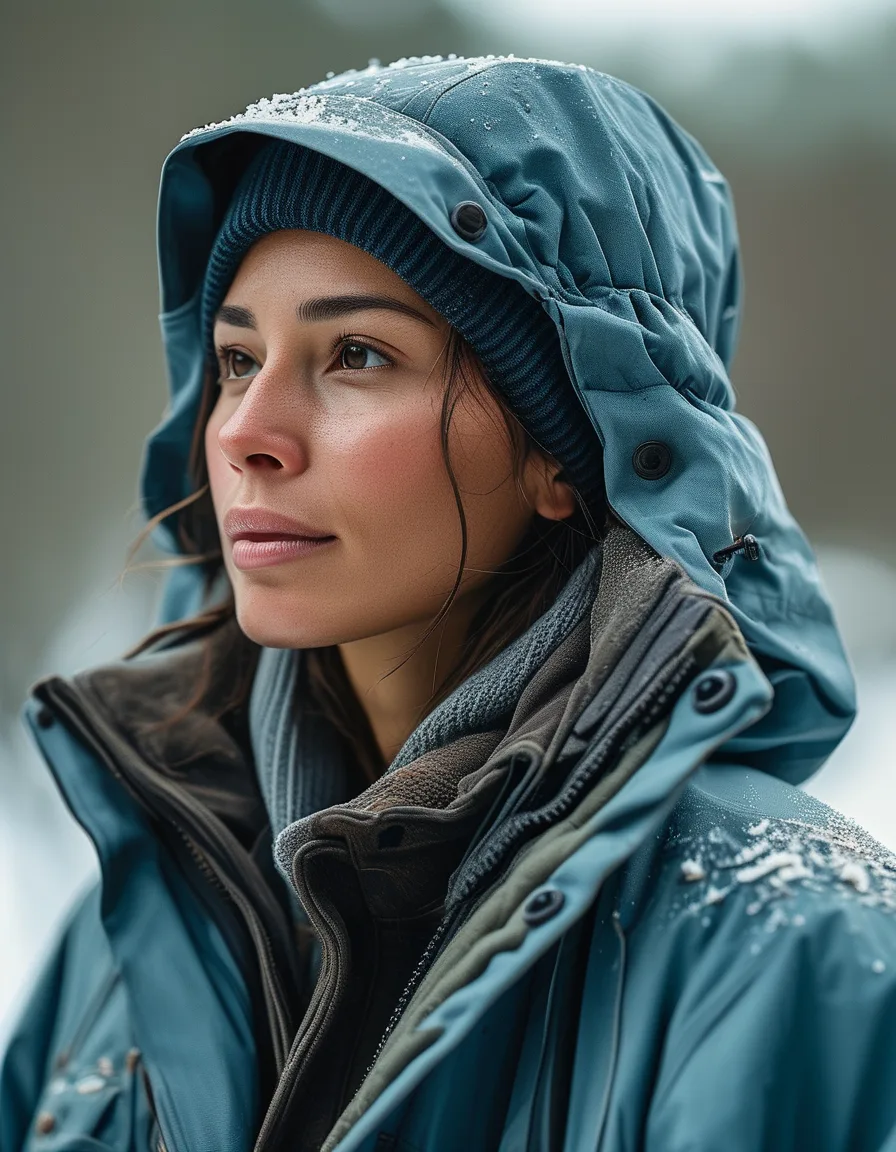
What’s the actual base layer for cold-weather gorpcore?
A moisture-wicking synthetic or merino wool base layer, fitted close to the body, does the actual thermal regulation work and should be invisible or barely visible under everything else — this is a function-first layer, not a style statement, and skipping it undermines the whole system regardless of how good the outer layers look.
How do you choose the mid-layer for warmth without bulk?
A fleece or lightweight puffer provides the visible textural contrast gorpcore is known for — fleece reads more classically ‘gorpcore,’ while a puffer adds more warmth per weight. Choosing based on actual temperature (fleece for mild cold, puffer for genuinely freezing conditions) matters more than picking purely for aesthetic preference.
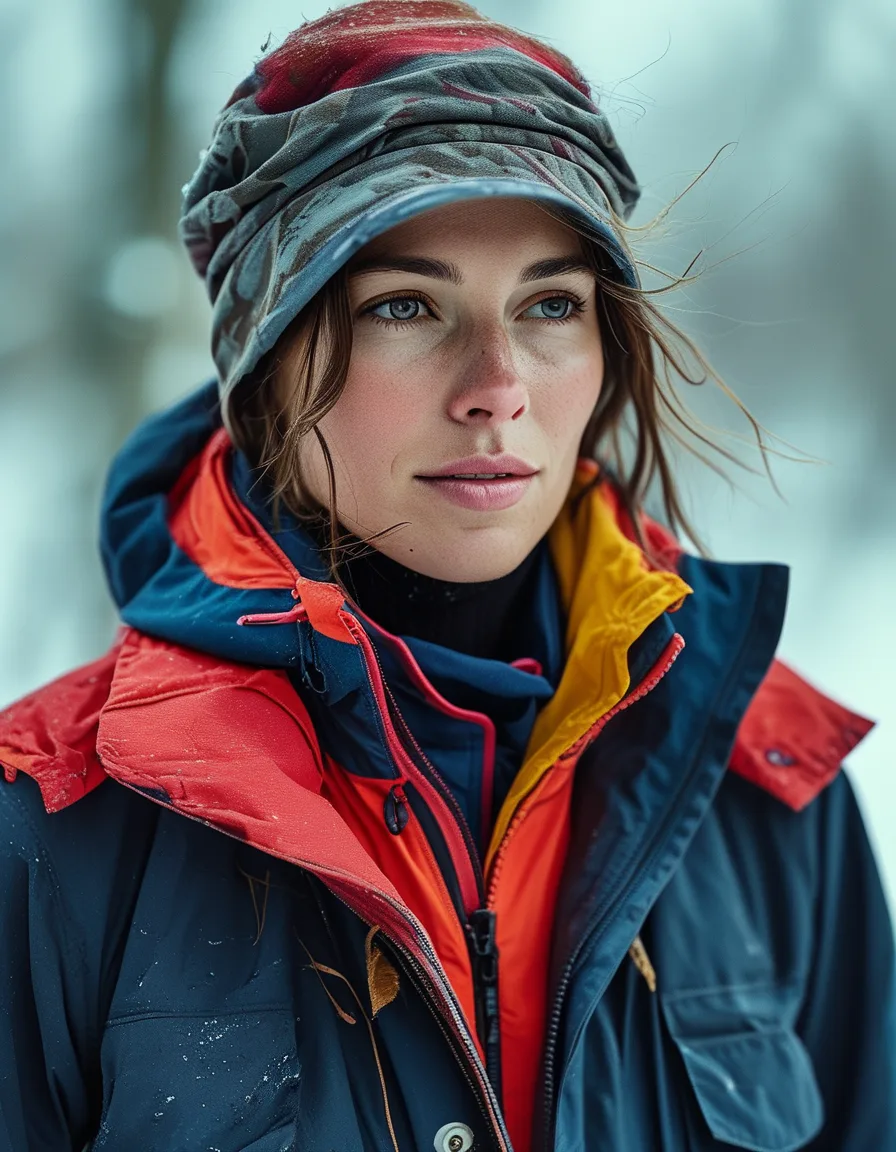
What Nobody Tells You About Technical Shells and Real Weather
A shell that’s purely aesthetic — technical-looking but not genuinely waterproof or wind-resistant — fails exactly when cold weather gets wet or windy, which is the actual test of whether a gorpcore outer layer is real gear or just gear-inspired fashion. Checking for a genuine waterproof rating (not just a technical-looking silhouette) matters if you’re wearing this outside in actual winter conditions, not just around town.
Does gorpcore layering actually need all three layers every time?
No — mild cold might only need base plus mid-layer, while genuinely freezing or wet conditions call for all three. The layering logic scales with actual conditions, which is part of what separates authentic gorpcore styling from a fixed ‘outfit formula’ worn regardless of weather.
FAQ: Cold-Weather Gorpcore Layering Questions, Answered
Can you wear gorpcore layers indoors as a fashion look without the functional need?
Yes, commonly done — the aesthetic works fine styled for warmth-appropriate indoor settings, though the functional logic (moisture-wicking base, etc.) is less relevant if you’re not actually facing real cold.
Is down or synthetic insulation better for gorpcore mid-layers?
Down offers better warmth-to-weight ratio in dry conditions; synthetic insulation performs better if there’s any chance of getting wet, since it retains warmth even damp — choose based on your actual weather exposure.
How do you keep cold-weather gorpcore from looking bulky?
Choosing a slightly more fitted base layer and a well-cut mid-layer, rather than sizing everything oversized, keeps the silhouette cleaner while still allowing a technical shell to layer over comfortably.
TL;DR:
- Base layer (moisture-wicking) does the real thermal work and should stay function-first
- Fleece or puffer mid-layer adds gorpcore’s signature texture — choose based on actual temperature
- A shell should be genuinely weatherproof, not just technical-looking, if worn in real conditions
- Scale the number of layers to actual weather, not a fixed formula
Authentic cold-weather gorpcore layering works because it follows real outdoor-gear logic — that’s what separates it from a costume version of the look.
Keep Reading
This article is for general informational and styling purposes only. Fit, sizing, and product availability may vary.