Gorpcore in Real Cold: Which Pieces Actually Perform?
Quick Answer: Some gorpcore staples are genuinely functional in cold and some are purely aesthetic. The performers: a real fleece, a down or synthetic insulated midlayer, a windproof shell, merino base layers, and proper gloves. The non-performers in actual cold: the unlined technical shell worn alone, the mesh-panel piece, the ultralight windbreaker, and most of the footwear. Knowing which is which is what separates the look from being cold.
Gorpcore looks like the most weather-ready aesthetic there is. Everything is technical, everything has a membrane, everything is named after a mountain.
Then it actually gets cold, and it turns out half of it was never designed for standing still.
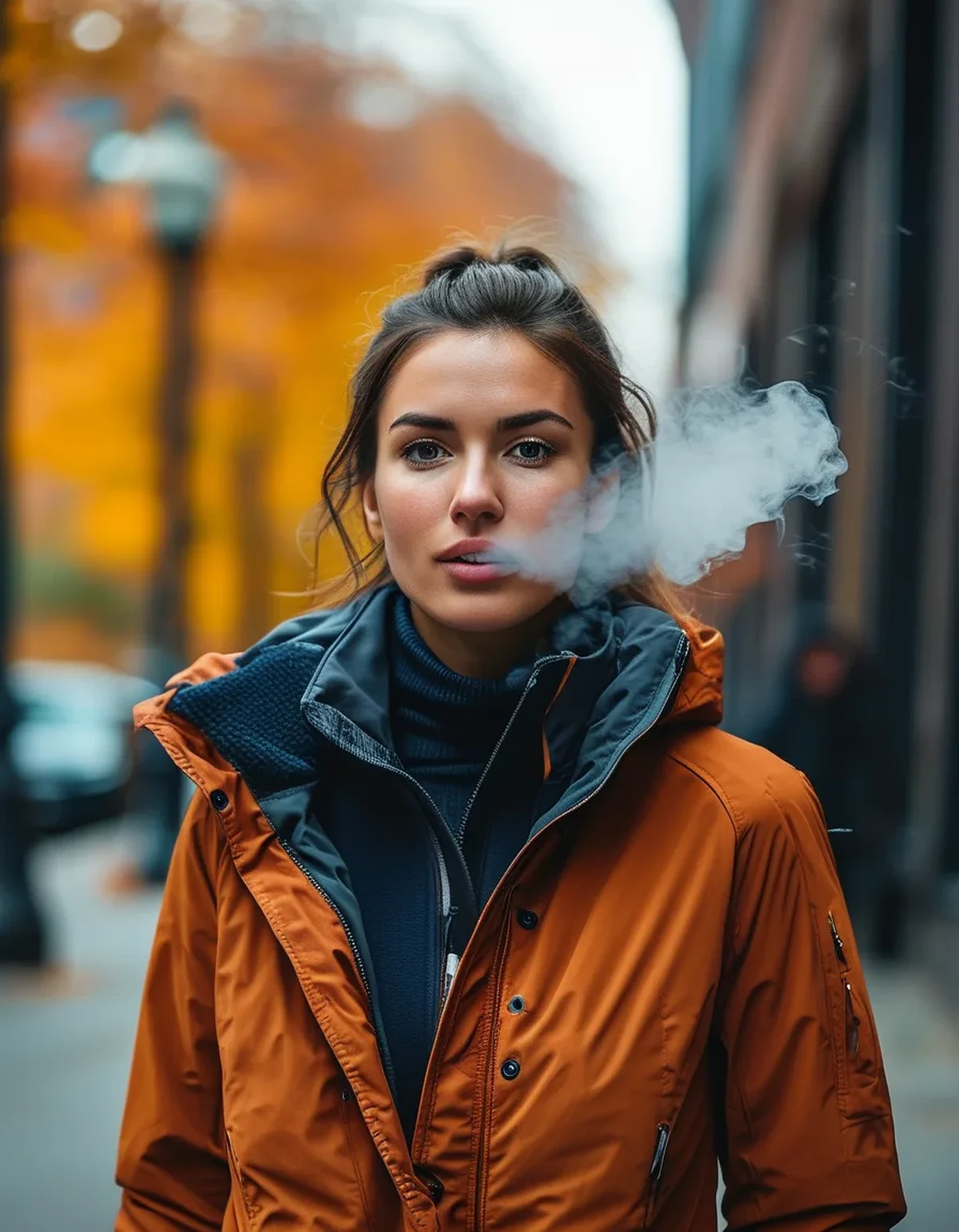
Why does technical-looking gear fail in the cold?
Because most outdoor gear is designed for people generating heat, and you are standing at a bus stop.
Outdoor technical clothing is built around a moving body. A hiker climbing produces enormous metabolic heat, and the clothing’s job is often to let heat and moisture out rather than to keep them in. Breathability is frequently the primary design goal, not warmth.
Urban wear is mostly standing still. Waiting, commuting, walking slowly, standing in line. Your heat output is a fraction of a hiker’s, so a garment tuned to dump excess heat leaves you cold.
This is why a hardshell alone is cold. A waterproof-breathable shell is a wind and water barrier with essentially zero insulation — it works in the mountains because it goes over insulating layers. Worn alone over a t-shirt in 40°F, it performs about as well as a plastic bag, which is to say it blocks wind and does nothing else.
The layering system it belongs to: base layer to manage moisture, midlayer to insulate, shell to block wind and water. Gorpcore frequently adopts the shell — the most visually distinctive piece — and skips the two layers that make it work.
The good news: the pieces that do perform are also the ones that look best. A real fleece is both the most functional and arguably the most characteristic gorpcore garment there is.
Which pieces genuinely perform?
Fleece — the best performer in the category. Genuinely warm for its weight, warm when damp, dries fast, and it is the single most recognizable gorpcore garment. A proper 200 or 300-weight fleece is a serious insulating layer, not just a look. The retro-styled fleeces the aesthetic favors are usually functional pieces, which is why they work.
Its weakness is wind — fleece is highly air-permeable and a windy day cuts straight through. Fleece plus a shell is the classic combination and it is genuinely excellent.
Down or synthetic insulated midlayer — the warmth-to-weight champion. A lightweight down or synthetic jacket worn as a midlayer under a shell, or alone in dry cold, is the most efficient warmth available. Down performs better in dry cold; synthetic performs better when damp, which matters in wet climates.
Windproof shell — essential, but only over something. Wind strips the warm air layer next to you and it is the largest variable in how cold you feel. A shell as the outer layer of a system is genuinely valuable. As a standalone jacket, it is not.
Merino base layers — the most underrated piece. Invisible, and it does more than anything you can see. Merino insulates when damp, resists odor, and regulates across a wide temperature range. This is where the money is best spent and where gorpcore spends the least, because nobody sees it.
Proper gloves, hat, and a neck gaiter. Extremity coverage does a disproportionate share of the work in perceived warmth. A hat and gloves with a lighter jacket beats a heavy jacket with bare hands in almost every cold scenario.
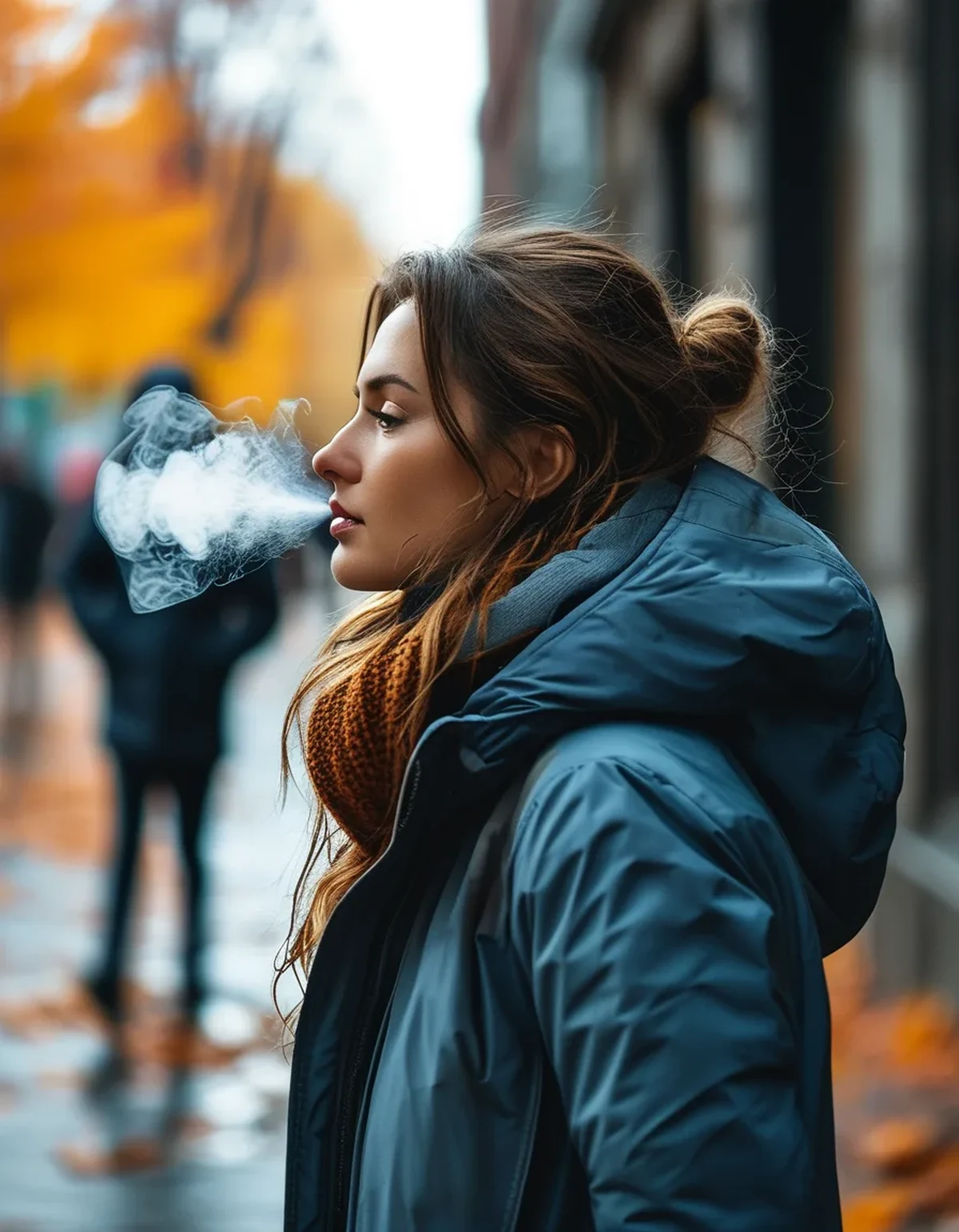
Which pieces are aesthetic only?
The unlined hardshell worn alone. Covered above and worth repeating because it is the most common failure. Zero insulation. It is a wind and rain barrier and nothing more.
The ultralight windbreaker. A packable 3-ounce shell is a superb piece of gear for its intended use — an emergency layer for a runner or a hiker. In genuine cold it provides almost nothing, and its visual prominence in the aesthetic is out of proportion to its cold-weather value.
Anything with mesh panels or substantial ventilation. Pit zips, mesh backs, and vented pockets exist to dump heat during exertion. Standing still, they are holes in your insulation.
Most gorpcore footwear. Trail runners and approach shoes are excellent for their purpose and they are largely uninsulated with high-airflow uppers. Cold feet are the most common complaint in cold-weather gorpcore and the footwear is the reason. Insulated boots exist and are less visually characteristic, which is exactly why people avoid them.
The technical cap. A running cap or a five-panel provides essentially no warmth. A beanie is warmer, cheaper, and equally at home in the aesthetic.
Convertible and zip-off anything. Zip-off pant legs, removable sleeves, and the like are lightweight-travel features. Every zip is a seam that leaks heat.
The honest assessment: none of these are bad garments. They are all well-designed for uses that are not standing outside in the cold, and gorpcore adopted them for how they look rather than for what they do.
How do I build a system that actually works?
The three-layer principle, applied to a city.
Base layer: merino or synthetic, never cotton. Lightweight merino is the best all-round choice. Cotton next to the skin in cold weather is the single worst decision available — it holds sweat and stops insulating once damp.
Midlayer: this is where the warmth comes from and where gorpcore under-invests. Fleece for breathable warmth, or a light insulated jacket for maximum warmth per weight. In serious cold, both — fleece over base layer, insulated jacket over fleece.
Outer layer: wind and water. A shell. Its job is to block, not to warm.
Extremities, which are not optional: hat, gloves, neck coverage. This is the highest return per dollar and per gram in the entire system.
How to adjust for standing versus moving: add one more midlayer than a hiker would. If a hiking guide says base plus shell for 40°F, you standing at a bus stop want base plus fleece plus shell. Your heat output is a fraction of theirs and the clothing has to make up the difference.
On footwear: if cold feet are the problem, the answers are an insulated boot, a thicker wool sock, or a shoe with less airflow. A wool sock is the cheapest meaningful upgrade and it fits the aesthetic without any compromise.
On fit: compressed insulation does not insulate. A tight jacket over layers crushes the loft that creates warmth, which is why an appropriately roomy outer layer performs better than a snug one. Gorpcore’s preference for oversized outerwear is, for once, functionally correct.
FAQ: Cold-Weather Gorpcore, Answered
Is expensive technical gear actually warmer than cheap gear?
Not necessarily warmer — often lighter, more packable, and more durable for the same warmth. A budget fleece and a premium fleece of the same weight insulate similarly. Where price genuinely buys performance is in waterproof breathability and in down quality.
Down or synthetic insulation for city use?
Synthetic, for most people. It is cheaper, it keeps insulating when damp, and it handles the wet-cold and the frequent indoor-outdoor cycling of urban life better. Down wins on warmth-to-weight in dry cold.
Do I need a waterproof shell or is water-resistant enough?
For commuting and city use, water-resistant and windproof handles most conditions and breathes better. Full waterproof matters for sustained heavy rain, and it usually costs breathability.
What is the single best upgrade if I only change one thing?
A merino base layer. It is invisible, it costs less than outerwear, and it changes how the entire rest of the system performs.
TL;DR: Half of gorpcore is genuinely functional and half was designed for people generating heat.
- Technical outdoor gear assumes a moving body. You are standing still, so you need more insulation than a hiking guide would recommend.
- The performers: fleece, an insulated midlayer, a windproof shell over something, merino base layers, and real gloves and a hat.
- The unlined hardshell alone has zero insulation. It is a wind barrier, not a jacket.
- The non-performers in real cold: ultralight windbreakers, anything with mesh panels, most trail-runner footwear, and technical caps.
- Extremities give the highest return per dollar in the whole system.
- Roomy beats snug — compressed insulation does not insulate, so gorpcore’s oversized preference is functionally right.
Buy a merino base layer before you buy another jacket. Nobody will see it and it changes everything above it.
Keep Reading
This article is for general informational and styling purposes only. Fit, sizing, and product availability may vary.