Does Gorpcore Still Work When the Weather Actually Turns
Quick Answer: Yes, and autumn is when gorpcore is at its most coherent - because the clothing finally gets to do the job it was designed for. The catch is that a lot of gorpcore-adjacent product is styled to look technical without performing, and a wet October is where that becomes obvious. Prioritise a genuinely waterproof shell, one packable insulating mid layer, and boots with real grip, then style around those three rather than buying more surface-level pieces.
Every aesthetic built on function eventually meets the conditions it borrowed from. For gorpcore, that is the first properly wet week of autumn - and it is either the moment the whole wardrobe makes sense, or the moment you find out your jacket is a windbreaker with taped-seam styling and no taped seams.
Why does autumn suit gorpcore better than summer did?
Because the clothing stops being a reference and starts being clothing.
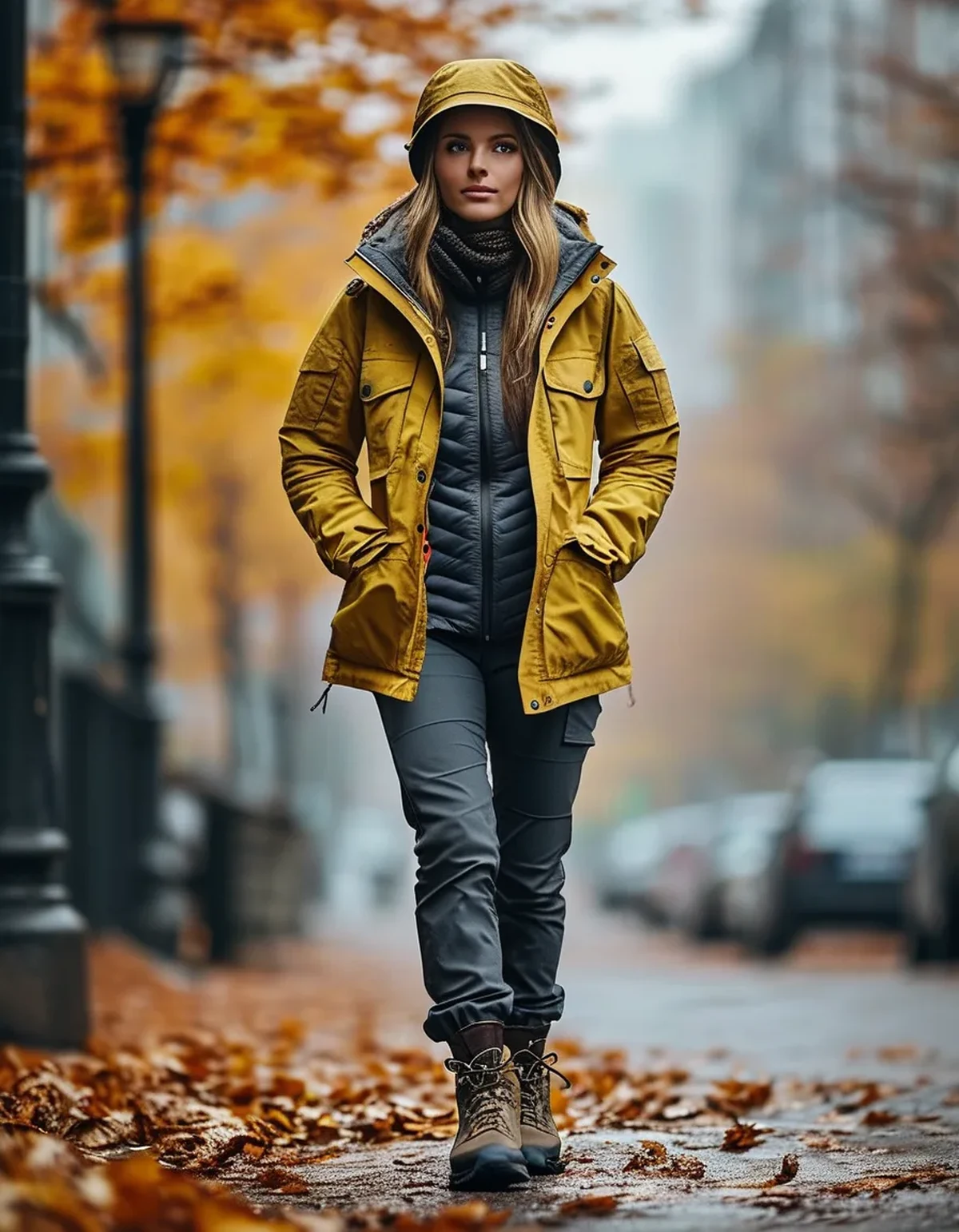
Technical outerwear in July is decorative. A shell jacket worn open over a t-shirt in warm weather is a styling choice, and it looks like one. In October rain, the same jacket is doing exactly what it was built for, and clothing that is performing its function always looks more convincing than clothing that is quoting it.
Layering is the aesthetic’s native language, and autumn requires layering. The visual signature of gorpcore - a shell over a fleece over a base, straps and zips and adjustments visible - only makes sense when there is a reason for three layers. Autumn provides it.
The colour palette suits the season. Muted greens, rusts, ochres, greys, and the occasional saturated accent are both the outdoor-technical palette and the autumn one. Summer fights this; autumn agrees with it.
And the footwear finally makes sense. Approach shoes and hiking boots on dry city pavement in August are a look. On wet leaves and muddy park paths in October they are the correct footwear, and they read differently as a result.
The one thing that gets harder: the aesthetic’s tendency toward technical maximalism - every piece visibly performance - reads as excessive when it is genuinely mild out. Autumn’s variability means some days genuinely do not need the full system, and wearing it anyway is the season’s version of the summer costume problem.
What actually needs to perform, and what can just look good?
Three pieces carry the functional load. Everything else is styling.
The shell is non-negotiable and it is where the money goes. The distinction that matters is between water-resistant and waterproof. A water-resistant jacket handles a light shower for a few minutes. A waterproof one has a membrane, taped or welded seams, and a durable water-repellent finish on the face fabric, and it handles sustained rain. Check for taped seams specifically - it is the single most reliable indicator that a jacket was built to work rather than to look like it works.
Breathability matters as much as waterproofing for anything active. A fully waterproof jacket with no breathability leaves you wet from the inside, which feels identical to leaking. Pit zips or mechanical venting are a practical answer that works regardless of the membrane’s specification.
The insulating mid layer is the second real piece. A light synthetic insulated jacket or a good fleece. Synthetic insulation retains warmth when damp, which is why it suits wet autumn better than down for everyday use. Down is warmer for its weight and better in dry cold, and it loses most of its loft and warmth when wet.
Footwear is the third. Grip on wet surfaces is the practical requirement, and it is what separates a boot that looks capable from one that is. Waterproof membranes in boots are useful in autumn and become a liability in genuinely warm weather, so this is the season they earn their place.
Everything else is legitimately styling. Cargo trousers, technical-looking fleeces, carabiners, bucket hats, and crossbody bags do not need to perform. They carry the aesthetic, and choosing them on looks alone is fine and always has been.
One honest note about the DWR finish. The water-repellent treatment on the outside of a shell wears off with use and washing, and a jacket that suddenly seems to wet out has usually just lost its DWR. It can be restored with a wash-in or spray-on treatment, and doing so once a season keeps a good jacket working for years.

What Nobody Tells You About Buying Technical Outerwear
The most expensive membrane is often not the one you need. Top-tier waterproof-breathable membranes are engineered for sustained high-output activity in severe conditions. For commuting, dog walking, and city wear, a mid-tier membrane performs indistinguishably and costs a fraction. Pay for taped seams and a good fit before paying for a premium membrane.
Fit determines whether layering works at all. A shell that fits perfectly over a t-shirt will not close over a fleece, and the whole system collapses. Try shells on over the mid layer you actually intend to wear, not over what you are wearing in the shop.
Hood adjustment is a real differentiator. A hood that does not stay put in wind, or that blocks peripheral vision when cinched, makes a jacket unpleasant to use in exactly the conditions it exists for. Test it with the drawcords pulled, and turn your head.
Pockets above the harness line are a genuine feature, not a detail. Hand pockets positioned high enough to be usable with a bag strap or hip belt across them are one of the clearest signs a garment was designed by someone who uses one.
Washing technical gear is not optional maintenance. Body oils and dirt clog membranes and kill breathability, and a dirty shell performs measurably worse than a clean one. Use a technical wash rather than standard detergent, which leaves residues that attract water.
Colour fades faster on technical fabrics than on natural fibres, particularly saturated ones, and the aesthetic’s love of a bright accent colour runs directly into this. Worth knowing before buying an expensive orange jacket.
And the one that catches almost everyone: sizing runs differently across outdoor brands because they cut for different layering systems and different regional markets. Do not assume your size transfers, and check the actual measurements.
How to style it so it does not read as gear
The line between wearing technical clothing and looking like you are mid-expedition is thinner in autumn than in summer, because you are wearing more of it.
Anchor with one non-technical piece. Straight-leg jeans, a wool trouser, a plain knit, or leather boots - one clearly non-outdoor item stops the outfit reading as a full kit. This is the same principle that makes any borrowed-from-function aesthetic work.
Limit the visible technical signifiers. Cords, clips, webbing, and reflective detail are the aesthetic’s vocabulary, and three of them in an outfit reads intentional while seven reads like packing for a trek.
Keep the colour discipline. The reason muted-plus-one-accent works so consistently is that technical garments carry a lot of visual noise already - panels, seams, logos, hardware. Restrained colour lets the construction be the interest.
Proportion beats layering count. Three layers of similar length looks bulky. A longer shell over a shorter mid layer, or a cropped shell over a longer base, creates the shape that makes technical layering look considered.
Choose one hero piece per outfit. If the jacket is a statement, everything else recedes. If the boots are, the jacket should be plain. Two competing hero pieces is the most common styling error in this aesthetic.
And match the kit to the actual weather, which is the autumn-specific discipline. Full shell, insulated mid, and boots on a mild dry day reads as costume, precisely because the function is visibly unnecessary. The days you dress down are what make the days you dress up look credible.
A practical autumn system that covers most days: base layer, light fleece or insulated mid, packable shell in the bag rather than on the body, and grippy footwear. Add the shell when it rains. That is both the functional answer and the better-looking one.
FAQ: Autumn Gorpcore Questions, Answered
What is the difference between water-resistant and waterproof?
Water-resistant fabric sheds light rain for a short time and then wets through. Waterproof means a membrane plus sealed seams, which is what actually keeps sustained rain out. Taped or welded seams are the clearest visible sign - a jacket without them will leak at the stitching regardless of the fabric.
Is down or synthetic insulation better for autumn?
Synthetic, for most everyday autumn use. It retains a meaningful proportion of its warmth when damp and dries faster, which matters in a wet season. Down is warmer for its weight and packs smaller, which makes it better for dry cold and for travel, but it loses loft and insulating power when it gets wet.
Do I need an expensive membrane for city wear?
Usually not. Premium membranes are engineered for sustained high-output activity in severe conditions. For commuting and everyday wear, a mid-tier waterproof with taped seams and decent venting performs indistinguishably for a fraction of the price. Spend on seams, fit, and hood design first.
Why has my waterproof jacket started soaking through?
Most likely the durable water repellent finish on the outer fabric has worn off, so the face fabric absorbs water instead of beading it. The membrane may be fine. A wash with technical detergent followed by a re-proofing treatment usually restores it, and doing that once a season keeps a jacket working for years.
How do I stop gorpcore looking like I am about to go hiking?
Anchor each outfit with one clearly non-technical piece - jeans, a wool trouser, a plain knit - and keep the visible technical details to about three. Also match the kit to the actual weather; wearing the full system on a mild dry day is what makes it read as costume rather than clothing.
TL;DR:
- Autumn is when gorpcore works best, because the clothing finally does its job instead of quoting it.
- Three pieces need to perform: a genuinely waterproof shell with taped seams, a synthetic mid layer, grippy boots.
- Everything else - cargos, fleeces, hats, bags - is styling and can be chosen on looks alone.
- Pay for seams, fit, hood, and pocket placement before paying for a premium membrane.
- Anchor with one non-technical piece, cap the technical details at three, and dress for the actual weather.
A wet October is the season that separates gear from the look of gear. That is a good thing - it is when the good pieces finally earn what you paid.
Keep Reading
This article is for general informational and styling purposes only. Fit, sizing, and product availability may vary.